Exterior Property Checks
Observation of approved entrances, building exteriors, common areas, parking areas, and other designated locations.

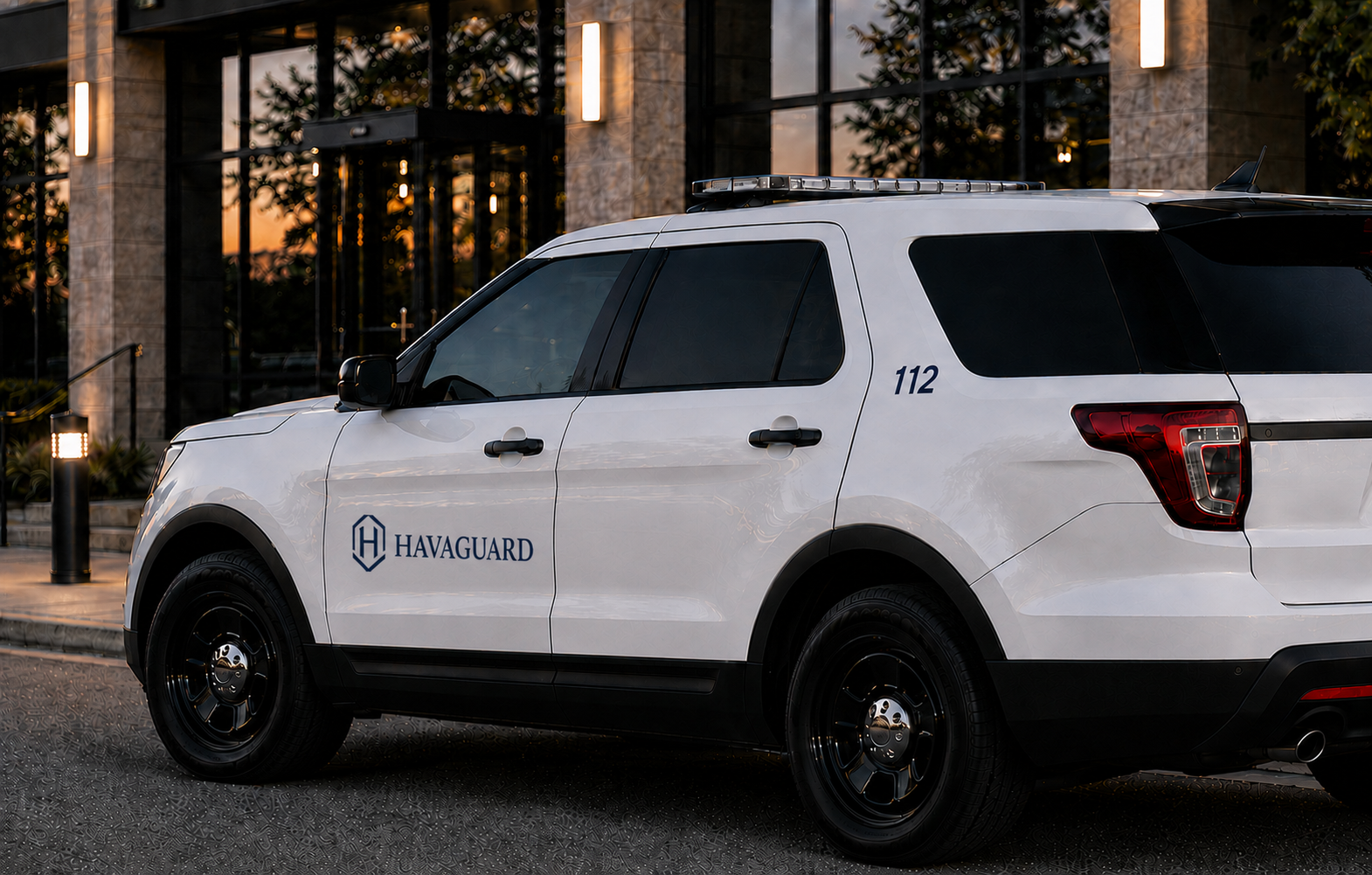
Mobile Patrol Planning Guide
Learn how periodic vehicle-based patrols differ from a fixed officer post, what an assignment may include, and which operating conditions should guide a coverage plan.
A Periodic Service Model
Mobile patrol assigns security personnel to visit a property, route, or group of approved locations during defined service periods. A visit may involve vehicle-based observation, a walking check, or a combination of both, depending on the assignment.
The model can support properties that benefit from recurring security visibility and documented checks but do not require an officer to remain at one location throughout the entire service period.
Patrol frequency, timing, checkpoints, access procedures, reporting expectations, and escalation contacts should be established before coverage begins.
Assignment Components
Responsibilities depend on the property, approved post instructions, officer authority, access arrangements, and the client's priorities. Services should be defined before deployment.
Observation of approved entrances, building exteriors, common areas, parking areas, and other designated locations.
Visual or physical checks of assigned doors, gates, loading areas, or access points when authorized by the assignment.
Vehicle or walking observation of designated parking areas, shared spaces, and recurring areas of concern.
Review of assigned perimeter conditions, fencing, lighting, exterior activity, or other site-specific priorities.
Patrol visits scheduled for approved evening, overnight, weekend, holiday, or low-occupancy service periods.
Documentation of completed checks, observed conditions, unusual activity, incidents, and required notifications.
Timing and Frequency
Potential Operating Environments
Suitability depends on the site, assignment, service schedule, personnel availability, and whether periodic visits can address the defined responsibilities.
Office buildings, business parks, mixed-use properties, retail environments, and other managed sites with defined exterior or after-hours priorities.
Apartment properties, gated communities, HOAs, condominiums, and shared residential environments with approved patrol areas.
Warehouses, distribution properties, industrial sites, parking areas, exterior yards, and contractor-access environments.
Project locations or temporary operating environments requiring approved checks during specified service periods.
Compare Service Models
The appropriate model depends on the responsibilities that must be performed, the duration of coverage, and whether the property requires continuous personnel presence.
| Consideration | Mobile Patrol and Property Checks | Posted Security Officer |
|---|---|---|
| Presence | Periodic presence during assigned visits or service windows. | Continuous presence at the assigned post during the scheduled shift. |
| Typical Fit | Exterior checks, parking areas, multiple checkpoints, after-hours visibility, or multi-building properties. | Lobby coverage, staffed access points, continuous observation, visitor interaction, or dedicated site responsibilities. |
| Service Design | Defined routes, checkpoints, timing, access instructions, notifications, and reporting expectations. | Defined post location, schedule, responsibilities, procedures, communication, and relief requirements. |
| Combined Use | A blended plan may use a posted officer for continuous responsibilities and mobile patrol for approved exterior areas, remote buildings, or supplemental checks. | |
This comparison provides general planning guidance. A service recommendation requires review of the actual property, responsibilities, schedule, and client expectations.
Documentation and Review
Reporting helps a client understand what was checked, when a visit occurred, what was observed, and whether an incident or site condition required notification. The report format and communication process should be defined with the assignment.
Document the approved locations, checkpoints, or responsibilities completed during the visit.
Record assignment-relevant observations such as access concerns, lighting conditions, property damage, unusual activity, or site changes.
Follow approved instructions for routine reports, urgent notifications, client contacts, and incident escalation.
Choosing the Appropriate Model
The service model should follow the assignment. Mobile patrol should not be used as a substitute for continuous staffing when the responsibilities require an officer to remain present.
The primary need involves defined visits, approved checks, documentation, and periodic visibility.
The assignment includes continuous responsibilities that cannot wait for the next patrol visit.
Before Requesting Coverage
Clear answers help determine whether mobile patrol is appropriate and what the approved route, timing, responsibilities, and reporting process should address.
Which buildings, entrances, parking areas, or exterior spaces should be checked?
Which dates, hours, or operating periods create the greatest concern?
Should visits occur during fixed windows, variable time periods, or a combination of both?
What access credentials, keys, gate procedures, or restrictions apply?
Which observations or completed checks must appear in the patrol report?
Who should receive routine reports, urgent notifications, and escalation calls?
Are there recurring conditions or recent incidents the assignment should address?
Would any responsibility require a continuous post rather than a periodic visit?
Tell us about the location, operating schedule, priority areas, reporting needs, and the type of coverage you are considering. Service availability depends on assignment requirements, location, scheduling, and personnel availability.